15km from Brasov. Perched on a hill above Transylvania. Almost nobody stops.
Most visitors to the Brasov area follow the same route. They tick Bran Castle, photograph the Black Church, walk the old town, and leave.
That is their loss.
Râșnov is not a reconstruction or a tourist fantasy. It is a real medieval fortress, built in the 13th century by the Teutonic Knights and expanded over the following centuries by the Saxon communities who used it as a refuge during Ottoman and Tartar raids. The walls are original. The towers are original. The well at the centre of the fortress, dug through 146m of solid rock, is original, and the story behind it is one of the most extraordinary in Transylvania.
A Fortress Built for Survival
Unlike Bran, which was built as a military outpost and later romanticised beyond recognition, Râșnov was built with one purpose: to keep people alive.
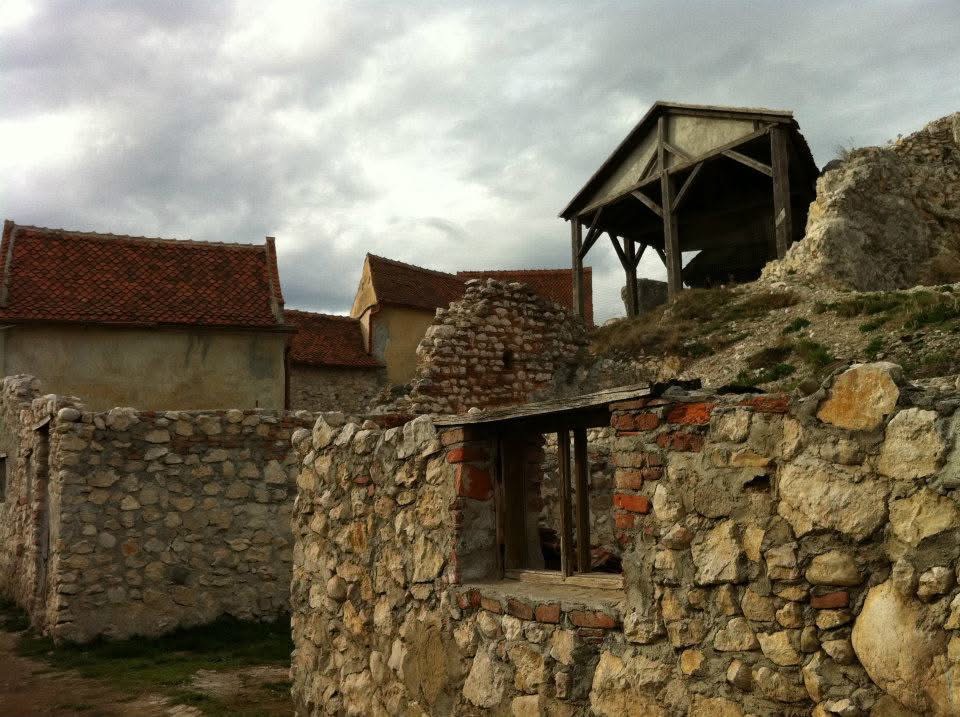
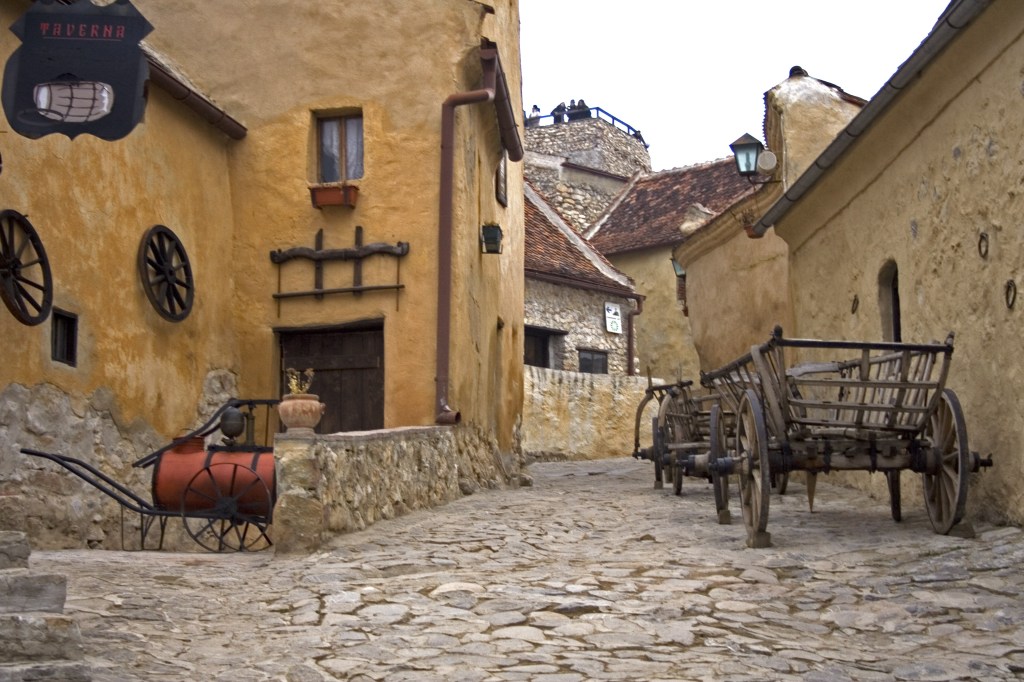
When raids threatened the Saxon villages of Transylvania, the entire population of Râșnov would retreat inside the fortress walls. Hundreds of people, their livestock, their grain – all sheltered within these walls for weeks or months at a time. The fortress had houses, a school, a church, and its own water supply. It was, in effect, a small fortified town designed to withstand a siege.
The well is the most remarkable feature. According to local legend, two Ottoman prisoners dug it for 17 years in exchange for their freedom, carving verses from the Quran into the walls as they worked. Historians debate the details, but the well itself, cut 146 metres through solid limestone, remains one of the deepest fortress wells in Europe.
What You Can Visit in 2026
A word of honesty before you go: Râșnov Fortress is currently undergoing a major restoration project, begun in 2020 and expected to continue until at least 2027. The medieval citadel itself is closed to visitors during the works.
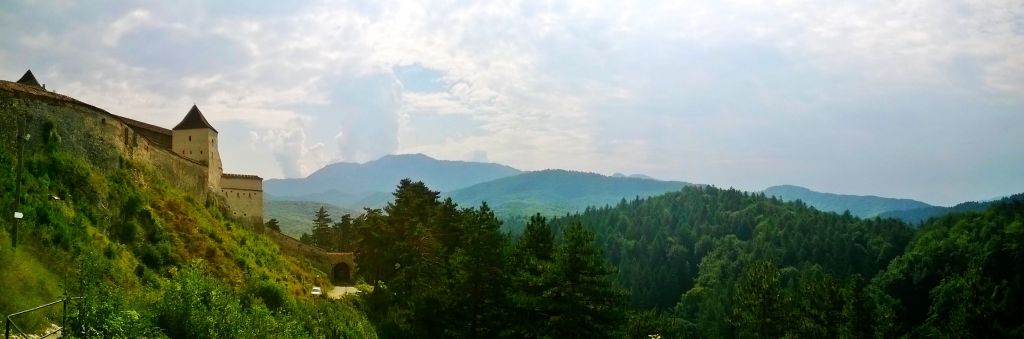
What is open is the Fortress Garden and the Báthory Tower: the lower section of the site, with the panoramic viewpoint over the town and the Carpathian Mountains. The view alone justifies the trip; Getting up the hill: on foot (~20 minutes from the car park), by tourist tractor from the base, or via the new inclinator lift departing from Piața Unirii in Râșnov town centre.
Why Râșnov, Not Just Bran
Bran Castle has Dracula. Râșnov has history.
The Dracula connection to Bran is largely a fiction – Vlad Țepeș almost certainly never lived there. Râșnov makes no such claims. It is simply what it is: a fortress that worked, built by people who needed it to work, still standing after seven centuries.
The crowds at Bran can be overwhelming in summer. Râșnov is quieter, more authentic, and for anyone with a genuine interest in Transylvanian history, considerably more rewarding.
Practical Information
Getting there: Râșnov is 15km from Brasov (~25 minutes by car). Regular buses run from Brasov bus station. From Bran Castle, Râșnov is also 14km.
Fortress Garden and Báthory Tower: Open daily. Entry 10 RON per person (over 12). Children under 12 free. Card payment only at the site. Note: the medieval citadel remains closed for restoration until at least 2027.
Where to stay: For accommodation close to Râșnov Fortress, search available hotels on Booking.com. Brasov offers the widest choice; Râșnov itself has quieter guesthouses at the foot of the fortress.
Guided tours: Râșnov is included in several day tours from Brasov and Bucharest combining Peleș Castle, Bran Castle and the fortress. Search available tours on GetYourGuide.
Combine with: Bran Castle (14km), Brasov old town (14km), Poiana Brasov ski resort (8km), Cantacuzino Castle in Bușteni (30km).
Romania is worth the detour.
© Secrets of Romania. All rights reserved.
 Secrets of Romania