
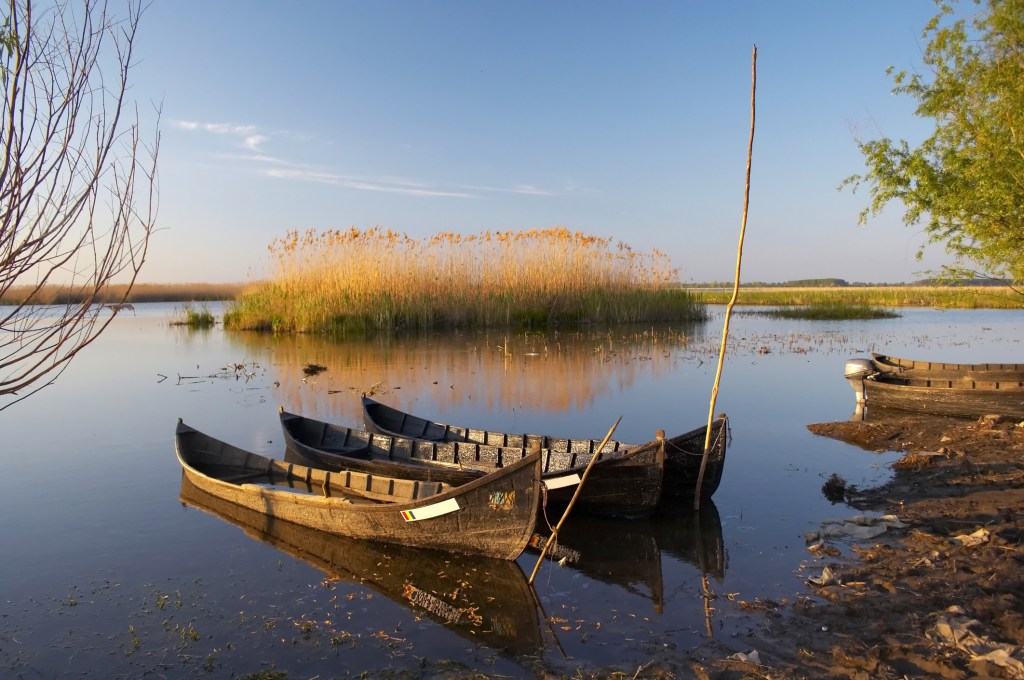
Romania ends at the water.
Not dramatically, not with a sign or a ceremony. You are in Tulcea, and the only way forward is water. No cars. No streets. The air changes first: something heavier, something that carries reed and river and the particular smell of water that has been travelling for a very long time. You breathe differently here. Most people do not notice it immediately. They notice it when they leave.
The Danube has been travelling for 2,850 km by the time it reaches here – crossing Germany, Austria, Slovakia, Hungary, Croatia, Serbia, Bulgaria, Moldova, Ukraine and Romania before dissolving, finally and reluctantly, into the Black Sea. The dissolution takes time. It takes 580,000 hectares of channels, lakes, reed beds and islands. It takes the largest and best-preserved delta in Europe, inscribed as a UNESCO World Heritage Site in 1991. It takes silence on a scale that most people have forgotten was possible.
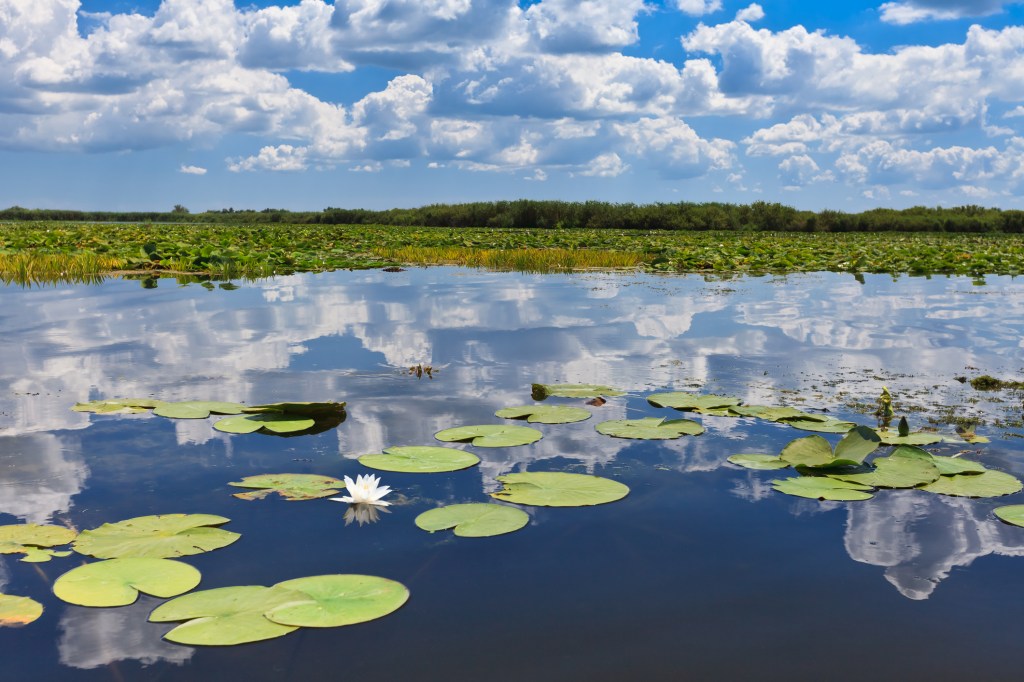
We will be honest with you: we have not been here recently. We know the Delta the way Romanians know places they carry with them, from people who came back changed, from the particular ache of a place you have not yet given enough of your time. We are going in September. Until then, this is what we know, and what we think you should know before you go.
Tulcea is where it begins. From Bucharest, the train takes around five and a half hours with a change at Medgidia. First class is available on the Bucharest – Medgidia leg. The train arrives at Tulcea station, a short taxi ride from the river. Book at cfrcalatori.ro. If you are flying from abroad, the closest major airport is Henri Coandă in Bucharest, from where Tulcea is about three and a half hours by road.
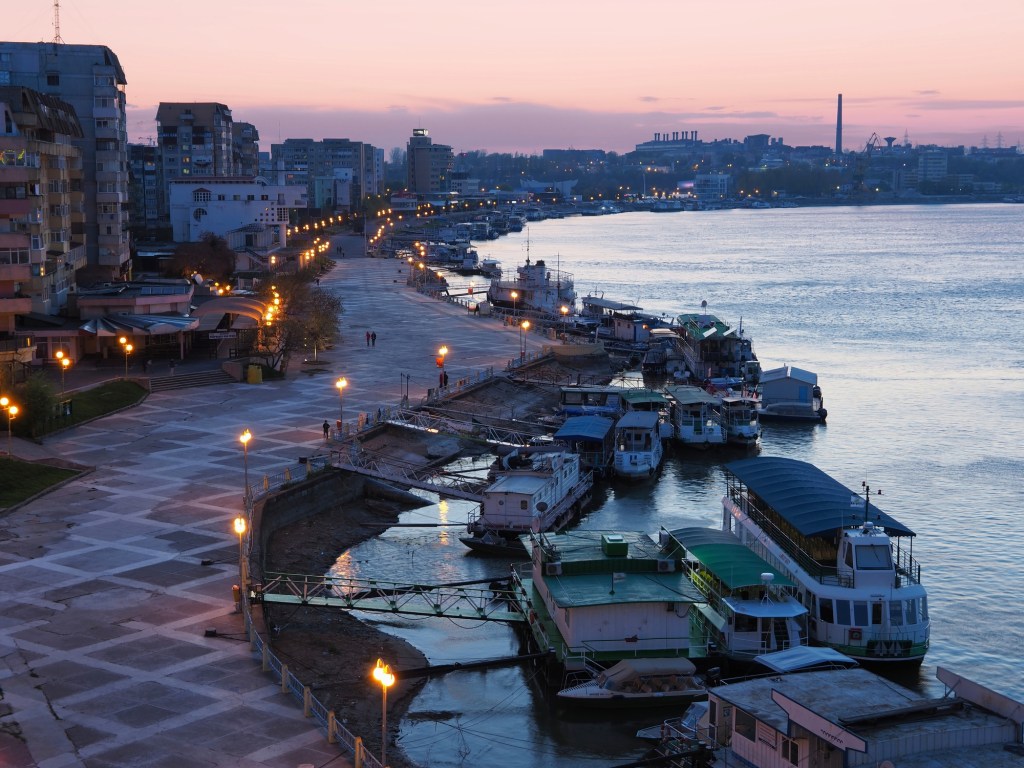
Tulcea has a good range of hotels along the riverfront, from budget to four-star comfort. Before heading to the water, the Danube Delta Ecoturism Museum is worth an hour of your time. The museum will tell you what you are about to see. The Delta will then show you that the museum was not sufficient preparation.
Before entering the Biosphere Reserve, every visitor needs an access permit from the ARBDD – the Danube Delta Biosphere Reserve Administration. This is not bureaucratic inconvenience. It funds the conservation of one of Europe’s most fragile ecosystems. Permits are purchased online at permise.ddbra.ro, at SelfPay kiosks across Romania, or at the ARBDD office in Tulcea at Str. Portului 34A. Tourist access costs 5 lei per day or 15 lei for a week. If you plan to fish, a separate permit is required – and it is free. Rangers patrol the waterways.
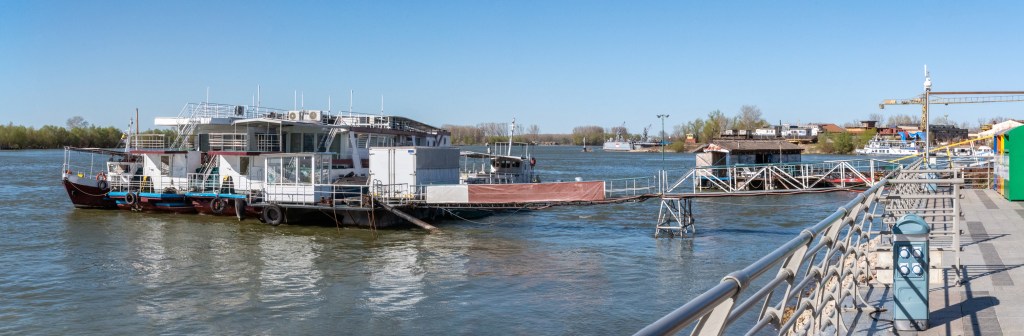
From the quays of Tulcea, the Delta is accessible only by water. Public ferries run daily – the slow boat toward Sulina takes around four and a half hours, with stops along the way at small villages that appear briefly and then disappear back into the reeds. There are faster private options if time is the priority. Take the slow boat. Sit on the deck. Watch the land thin out and the water take over and notice the exact moment when you stop thinking about whatever you were thinking about before you got here.
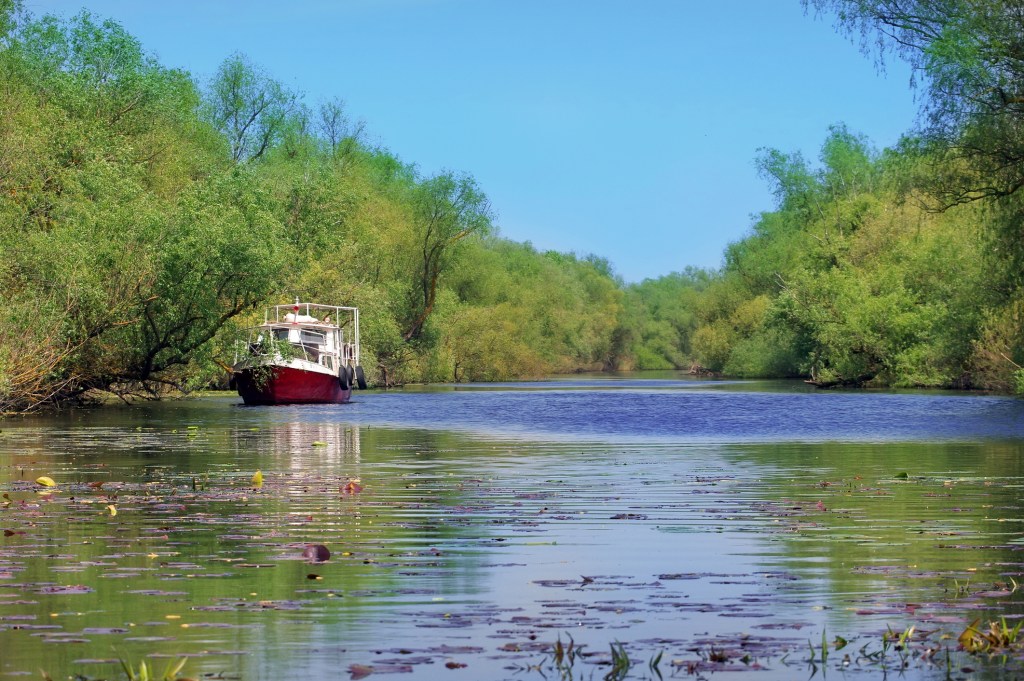
The main villages inside the Delta each offer something different, and choosing where to stay is choosing what kind of week you want.
Mila 23 sits on the Sulina channel, accessible only by water, known for its Lipovan Russian community – descendants of Old Believer Orthodox Christians who fled persecution in Russia centuries ago and built their lives here among the reeds. They still fish, still speak their own dialect, still cook in ways that have not changed in generations. In the evenings, when the tourist boats have gone back to Tulcea, Mila 23 becomes itself again – the sound of frogs replacing the sound of engines, fireflies appearing over the water with the particular unhurried quality of things that have no reason to be anywhere else. Staying in a guesthouse run by a Lipovan family is not a tourist experience. It is something closer to being a guest in a world that has its own rules and its own time.
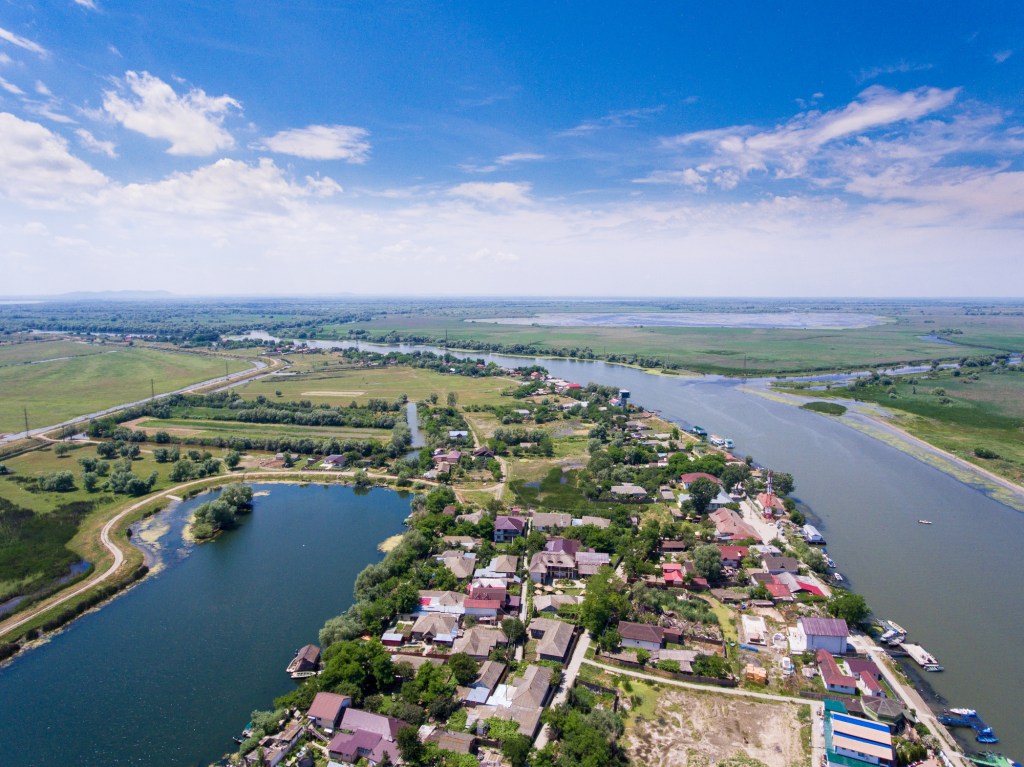
Sulina is different – the most eastern point of Romania and of the European Union, a town with a complicated and largely forgotten history. It was once an international port of some significance, its cosmopolitan cemetery full of Orthodox, Catholic, Muslim and Jewish graves that tell you everything about what this place once was. Now it is quiet, the old buildings slowly returning to their original purposes of weathering and being beautiful. The beach at Sulina is long and almost empty, the Black Sea at the end of the Danube’s long journey. At night, with the cargo ships moving silently through the canal and the stars doing what stars do when there is no city light to compete with, Sulina feels like the edge of something – a boundary between the world you came from and somewhere older.
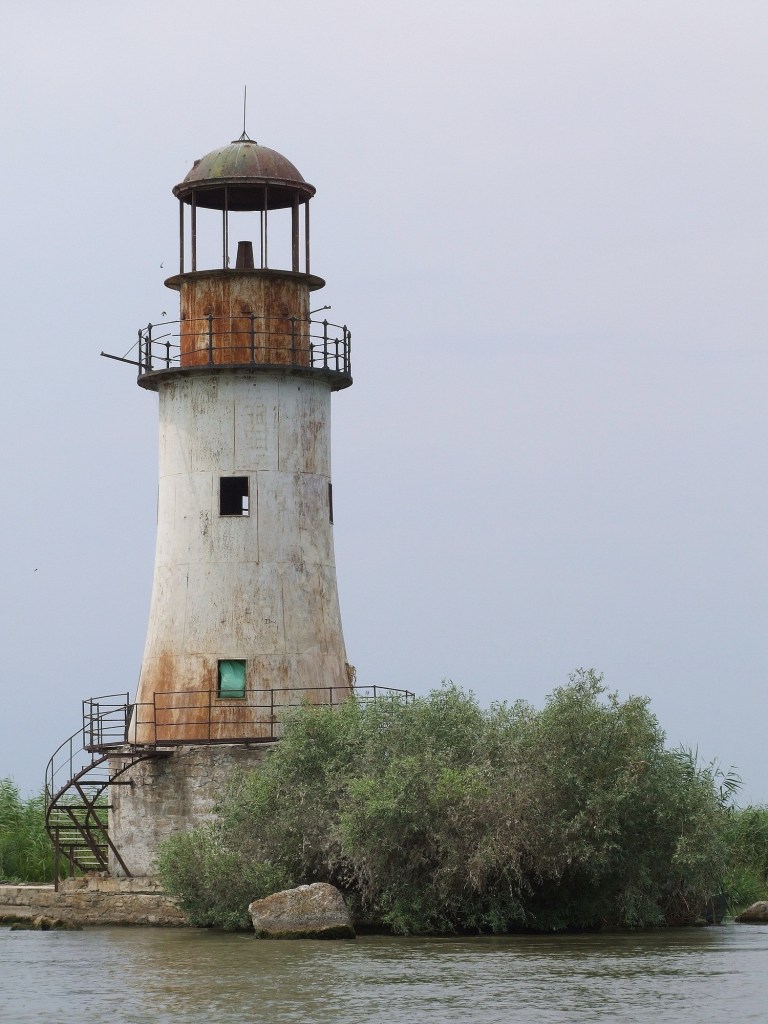
Sfântu Gheorghe, on the southern branch of the river, is further from everything and closer to silence. A village of fewer than a thousand people, a film festival in August that seems designed for people who understand that the most isolated venue is sometimes the most appropriate one, and the distinct feeling that the twenty-first century has not yet fully committed to arriving. In summer, the warm air hums with crickets from dusk onward, a sound so constant and so ancient that after two nights you stop hearing it consciously and start carrying it with you instead.
Moving between villages requires planning. There is no direct public transport between Sulina and Sfântu Gheorghe, for instance. You either return to Tulcea and take a different Navrom ferry – which is slower but gives you another sunrise on the water – or arrange a private boat transfer directly between villages. Not having a car is not a problem here. Cars have nowhere to go. Everything is on the water, which is the point.
What to do here is not a question that the Delta answers easily. The obvious answer is to be on the water – in a small boat, on a canal that does not appear on any map, with no particular destination and no particular hurry. This is harder than it sounds for people who are used to moving through places efficiently. The Delta requires a different approach. You sit. You watch. You wait.
And then, when you have stopped expecting anything specific, the pelicans appear.
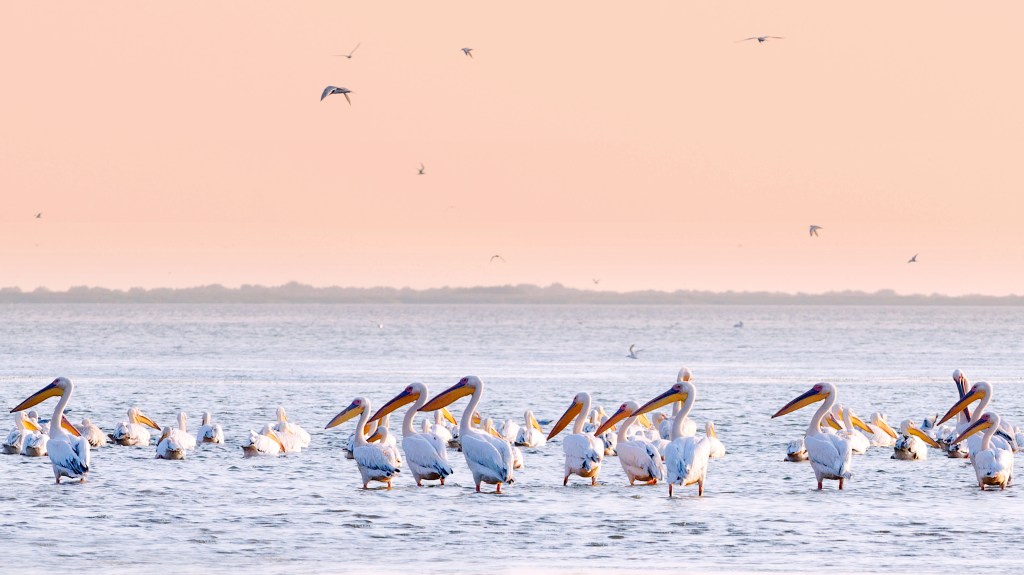
Over 312 species of birds pass through or nest in the Delta across the year, including the largest colony of great white pelicans in Europe. The pelicans themselves, ungainly and magnificent, moving in slow formation over the reed beds at dawn – have a way of stopping conversation mid-sentence. You can talk to someone who has seen them a dozen times and they will still pause when the birds appear. It is that kind of place.
The fishermen know something the birdwatchers are still learning. The Delta has been a fishing ground for as long as people have lived here, and the carp, pike, perch, catfish and the increasingly rare sturgeon still move through these waters. A local guide with a small wooden boat and knowledge of the channels that do not appear on any map is not a luxury. He is the difference between a day on the water and a day that stays with you for years. Sitting in a small boat in the middle of a channel at six in the morning, the mist still on the water, a line in the water and nothing else required of you – that is a specific kind of peace that is increasingly difficult to find and that the Delta still offers without apology. Ibis Tours in Tulcea organises guided excursions. Private boats can be arranged at the quays.
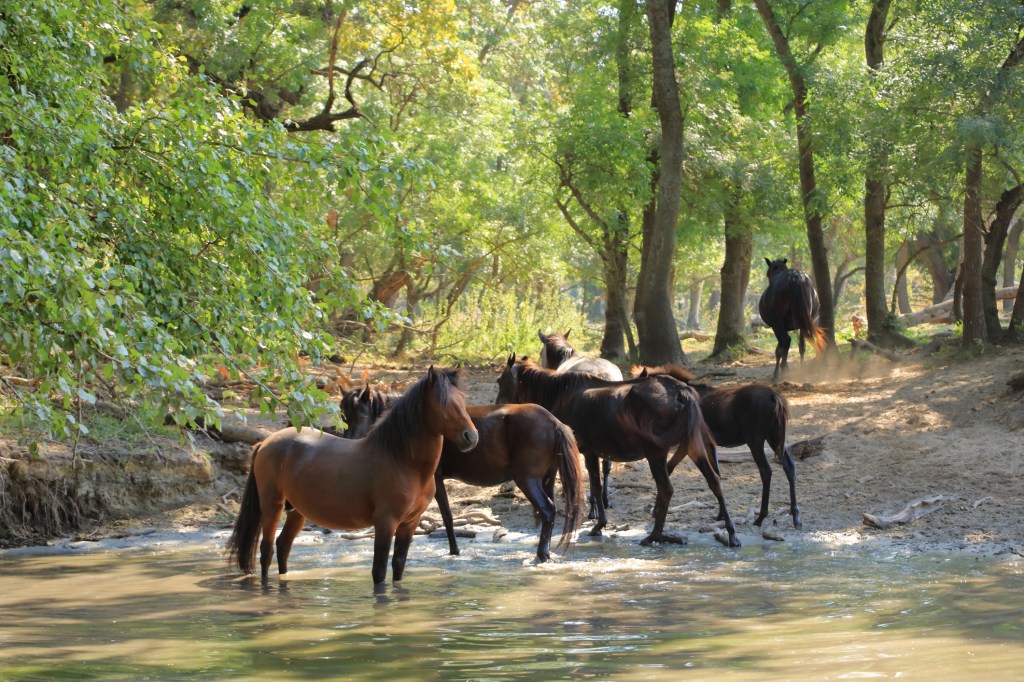
In the Letea forest, on the northern branch of the Danube, something stranger is waiting. Letea is one of the oldest nature reserves in Romania – a subtropical forest that has no business being this far north, a place of ancient oak trees, wild vines, and sand dunes that feel borrowed from another continent. And moving through it, unhurried and entirely unimpressed by visitors, the wild horses of Letea. Nobody is entirely sure how they arrived. They have been here long enough that the question feels irrelevant. They are simply part of the landscape now, the way the pelicans are, the way the reeds are, the way the smell of water is – something the Delta decided to keep and has not been persuaded to give back.
Guided tours to Letea forest and the wild horses can be booked through GetYourGuide.
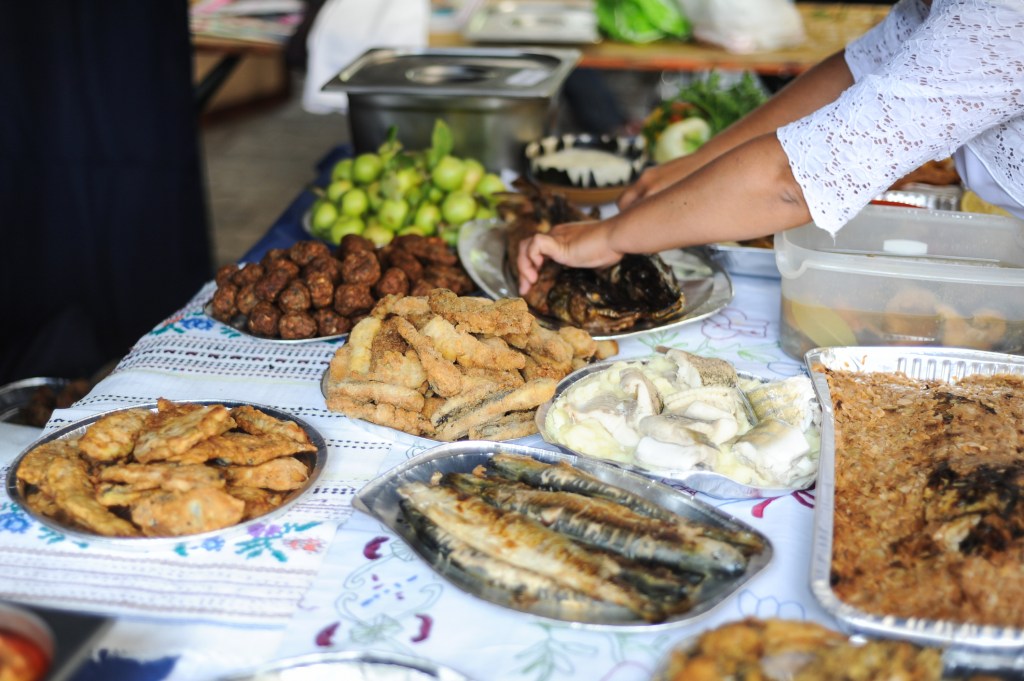
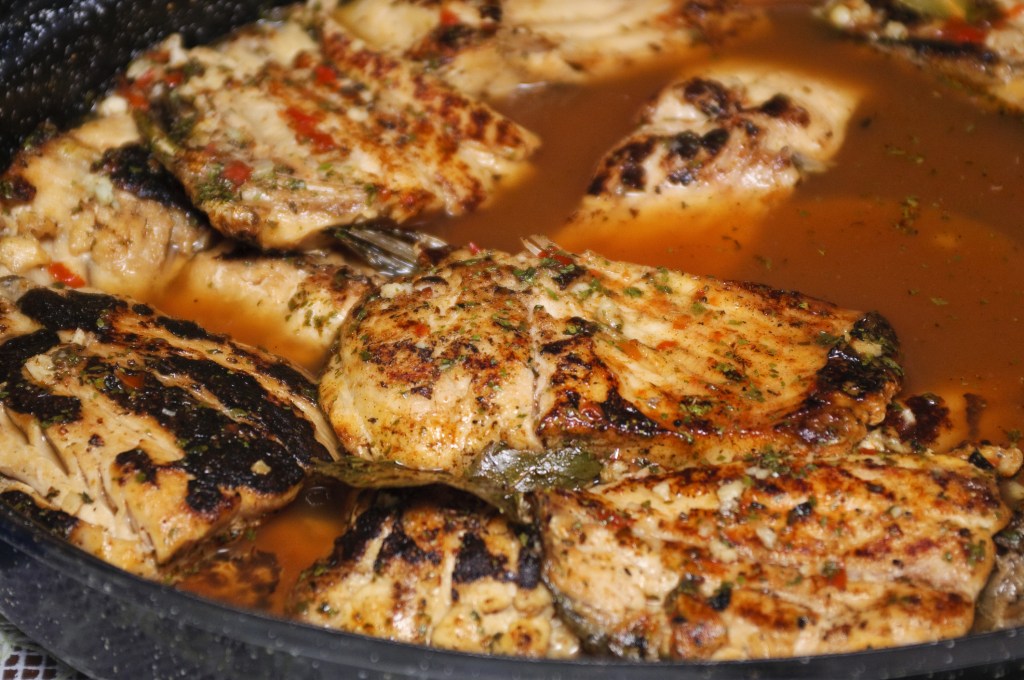
The food deserves its own sentence. Borș de pește – a sour fish soup made with the Danube’s water and herbs that grow nowhere else – tastes like it was invented for this specific place and would lose something essential if you tried to make it anywhere else. In the Lipovan villages, fish smoked over reed fires. You eat slowly here, without noticing that you have started eating slowly, because the pace of the place gets inside you and adjusts things. Small bites. Long conversations with whoever is at the table. The afternoon going somewhere without you. Bring cash from Tulcea. Card payments are unreliable in the Delta. The ATM in Sulina is often empty.
When to go is a question worth answering honestly. May and June are when the Delta is at its most extraordinary – birds nesting, wildflowers, cooler temperatures, fewer tourists. In the warm months, the smell of water and reed is everywhere, the evenings belong to the crickets and the fireflies, and the sensation is of being inside a story where you have, unexpectedly, been given enough time. July and August are hot and humid, and the mosquitoes are not a metaphor. They are serious, organised, and entirely indifferent to your plans. Bring repellent, long sleeves, and the correct expectations. September and October thin the crowds and keep the beauty, and the fishing in autumn is excellent. Winter is cold and raw and strangely beautiful, and not for everyone, but for some people exactly right.
And then there is the thing that nobody quite wants to say, but that we think you should know. The Delta is changing. The sea level is rising. The ecosystems that took thousands of years to form are under pressure from pollution, from climate change, from the slow accumulation of everything that flows down the Danube from the heart of Europe. UNESCO has been monitoring the situation for decades. The scientists are careful in their language. What they are describing, beneath the careful language, is a place that may not be this way forever.
This is not a reason to feel sad about going. It is a reason to go soon, and to go paying attention.
A week is not enough. Most people who go once, go back. The Delta has a way of becoming part of your internal geography – a place you return to in your mind before you return to it in person. A place where, even in memory, you can still hear the crickets.
Go in September. Buy the permit. Take the slow boat. Order the borș de pește. Talk to the first local who has time to talk.
The rest will take care of itself.
Sources: UNESCO World Heritage Centre (whc.unesco.org), Danube Delta Biosphere Reserve Authority (ddbra.ro), ARBDD permit information (permise.ddbra.ro), Ibis Tours Tulcea (ibistours.ro), Navrom Delta (navromdelta.ro).
© 2026 Secrets of Romania. All rights reserved.
 Secrets of Romania