Most travel guides will tell you both countries are affordable, both have beaches, both have history. That is true and almost completely useless.
The real question is not which one is better. It is which one is right for the kind of traveller you actually are.
If you want beaches
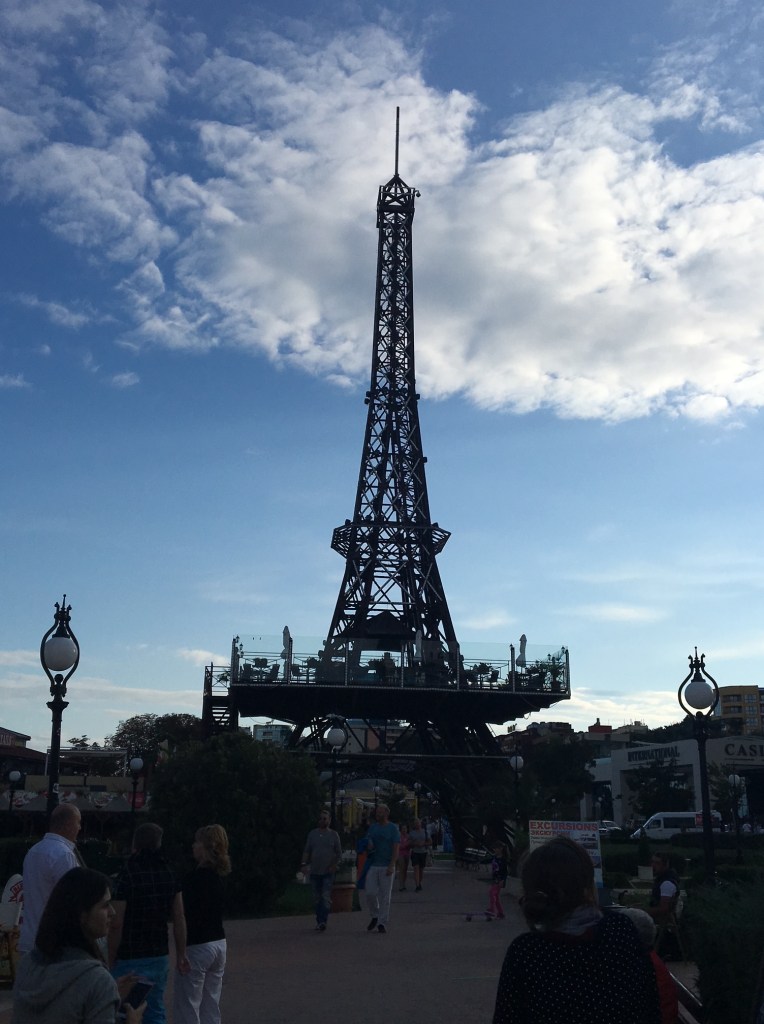
Bulgaria’s Black Sea coast does beaches well. Golden Sands has a 3.5 km stretch of fine sand, Blue Flag certification, and everything a proper beach holiday requires. The resort even has its own 32-metre replica of the Eiffel Tower – a detail that captures the spirit of the place better than any brochure could.
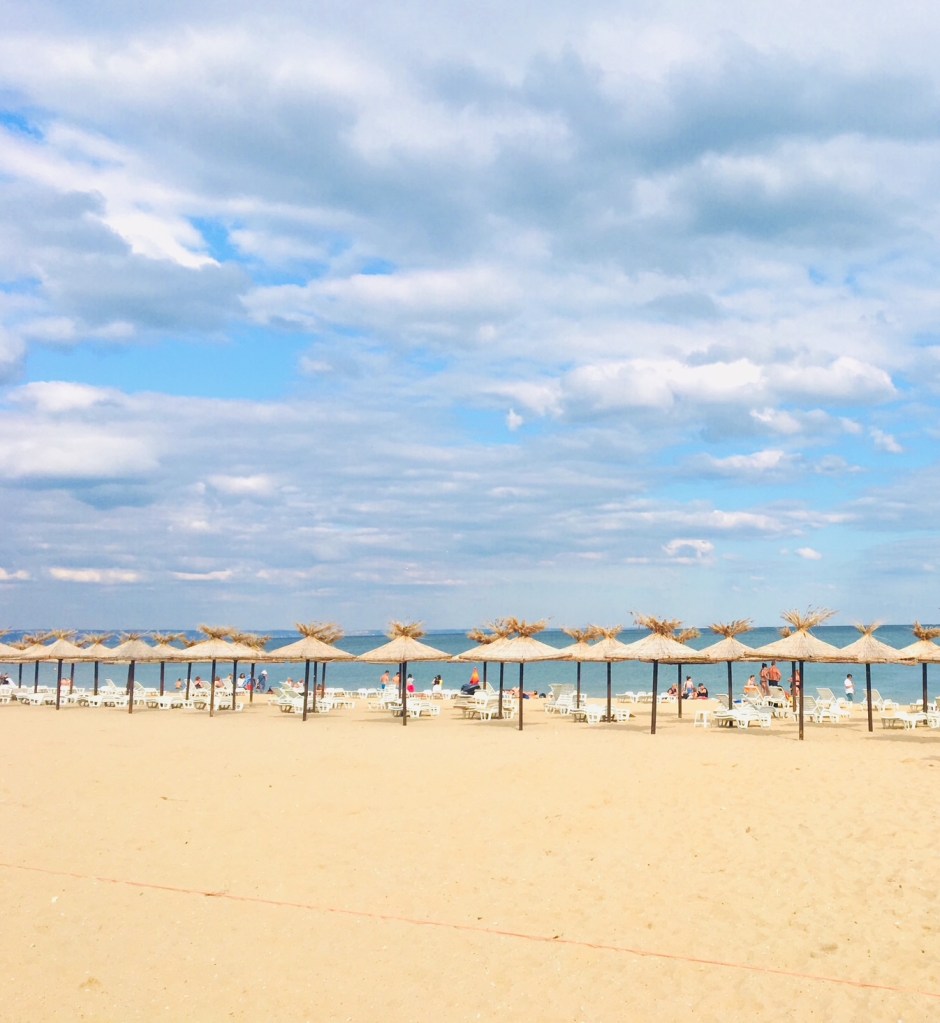
Romania has beaches too. Mamaia, Vama Veche, Costineşti. They’re different: more local, less packaged, with a character that takes some getting used to.
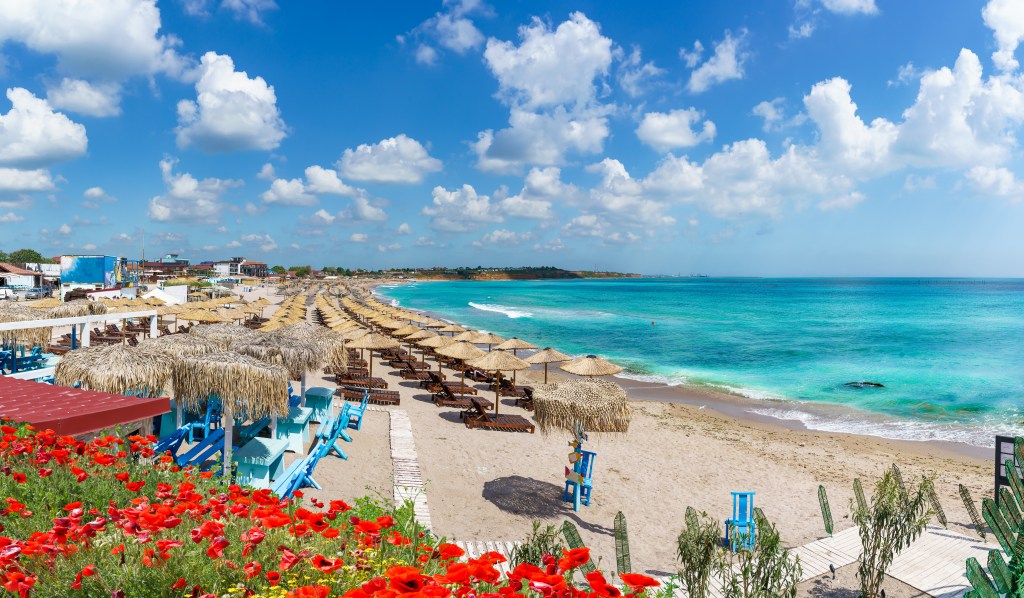
If the beach is the point, Bulgaria makes it easy.
If you want history
Both countries have it. The difference is in how you encounter it.
In Bulgaria, history is something you visit. Plovdiv’s old town, Veliko Tarnovo on its hill, the Aladzha Monastery carved into rock. All worth your time, all well-preserved, all accessible.
In Romania, history has a tendency to ambush you. You are walking through a perfectly ordinary street in Sighișoara and realise the buildings around you are from the 14th century and people actually live in them. You drive through a valley in Transylvania and a fortified Saxon church appears in a village that tourism forgot. You arrive in Bucharest expecting Eastern Europe and find French boulevards and a Belle Époque opera house.
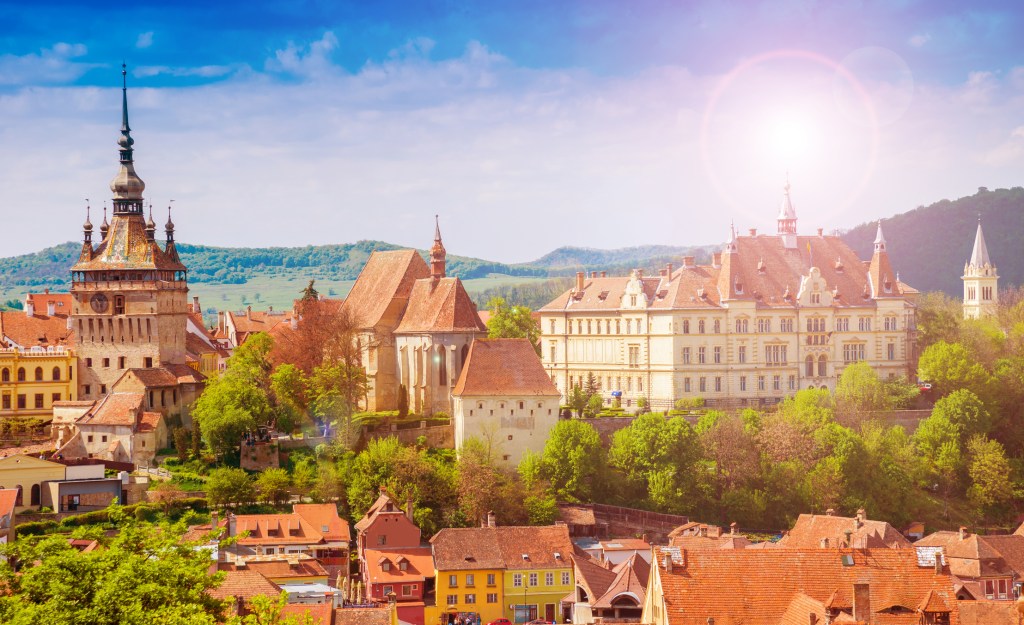
Photo by © Cristian M Balate| Dreamstime.com
Romania has more of it, and it asks more of you. That is either a problem or the whole point, depending on who you are.
If you want to feel something
Bulgaria’s resort areas are international in the way that resort areas everywhere are international. The menus are in six languages. The entertainment is designed for maximum accessibility. It works.
Romania outside the major cities is something else. A village in the Danube Delta accessible only by boat, where the local Lipovan community still fishes, still speaks its own dialect, still cooks in ways unchanged for generations. A mountain road that appears on no tourist itinerary. A market in a small town where the transaction requires patience and goodwill on both sides.
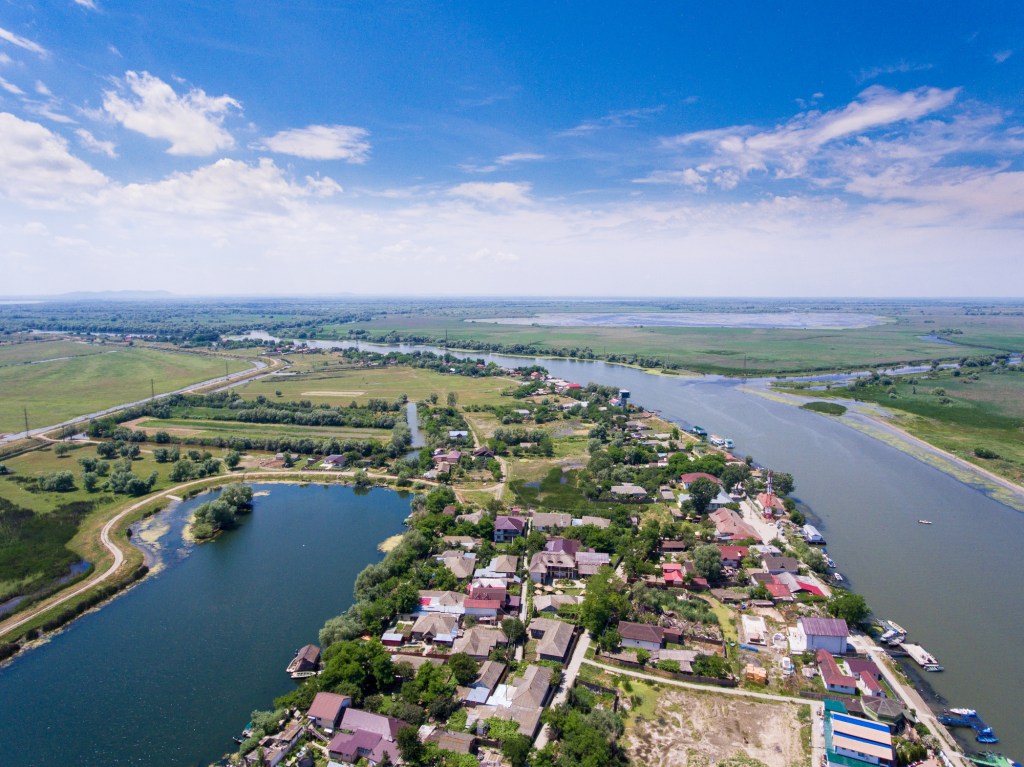
Photo by @ Calin Stan | Dreamstime.com
If you’re watching your budget
In Romania, a sit-down meal in a decent restaurant runs €10-15 per person. A well-located 3-star hotel in Bucharest or Cluj costs around €70-90 a night. Intercity trains rarely exceed a few euros.
Bulgaria’s beach resorts can be surprisingly expensive in peak season, Golden Sands in July is a packaged resort at packaged prices. Off-season, both countries are genuinely cheap.
Year-round, Romania offers the more consistent value.
The verdict
One week, sun and sand, straightforward holiday: the Black Sea coast makes sense.
If you have two weeks, the answer is easy: start with Bulgaria, end with Romania. The contrast does the work for you.
One week, something that stays with you after you leave: Romania is the answer.
Most people who visit Romania once come back. Bulgaria rarely does that.
You might like:
- A Week in the Danube Delta
- Sighișoara: The Mistake Almost Every Visitor Makes
- 48 Hours in Romania for Under 100 Euros
- IS ROMANIA SAFE? WE LIVE THERE. HERE IS THE TRUTH. YOU ARE WELCOME.
© 2026 Secrets of Romania. All rights reserved.
 Secrets of Romania