There are cities you visit and cities you feel. Brasov is the second kind.
The moment you step into Piața Sfatului, the main square at the heart of the old town…something shifts. The air is cooler, lighter. The terracotta rooftops stretch toward the mountains in every direction. People sit on benches with no particular urgency. The terraces are full but not frantic. It feels, somehow, like permanent vacation.
What makes Brasov different
Brasov is not a city that tries too hard. It doesn’t need to. Surrounded by the Carpathian Mountains on all sides, it sits in a natural bowl that gives it its own microclimate: fresher air, softer light, and winters that actually feel like winters.
The old town is compact enough to explore entirely on foot. Medieval walls, Gothic churches, Saxon architecture, narrow cobblestone streets that open suddenly onto wide sunny squares. Every corner has something worth stopping for.
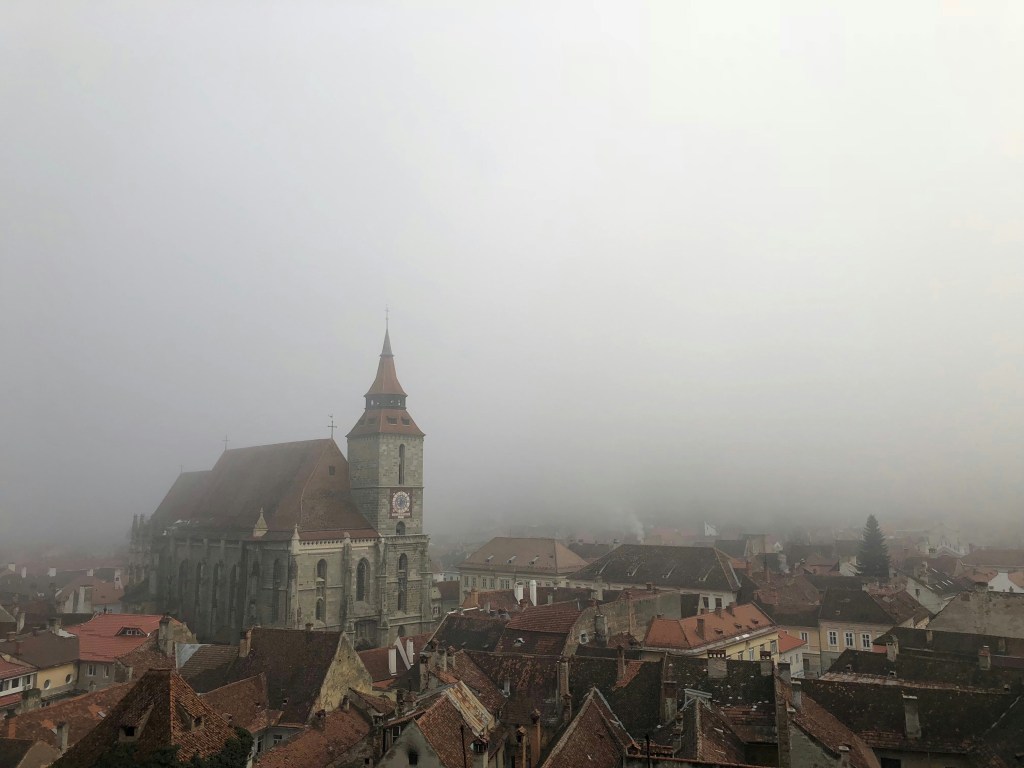
The Black Church – one of the largest Gothic churches in Eastern Europe, dominates the main square with quiet authority. It’s called black because of a 17th century fire that scorched its walls. Inside, it houses one of the largest collections of Oriental carpets in Europe, brought back by Transylvanian merchants centuries ago. Nobody talks about this enough.
Piața Sfatului – the square that stays with you
Most cities have a main square. Few have one that actually makes you want to sit down and stay.
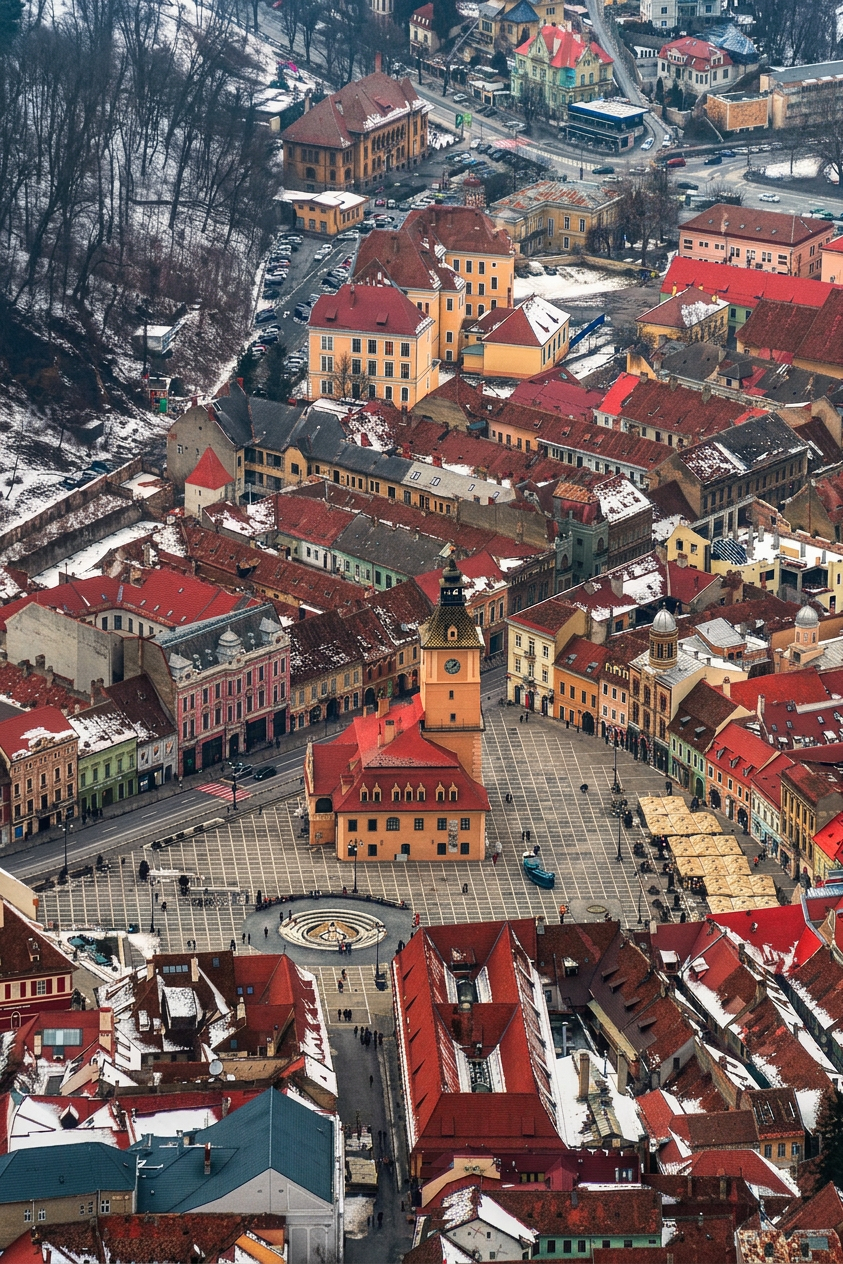
Piața Sfatului is ringed with colourful baroque facades, café terraces, and the old Council House at its centre. On a warm afternoon, the benches fill up with locals and travellers in equal measure. Nobody is rushing. The mountains are right there, visible from every angle, reminding you that you are somewhere genuinely special.
Come in the morning for coffee and quiet. Come at sunset when the light turns the rooftops golden. Come at night when the square empties slightly and the old town takes on a different atmosphere entirely.
The view from above
The best thing you can do in Brasov costs nothing: walk up through the old town toward the Tampa Mountain viewpoint, about 30 minutes on foot, and turn around.
A short bus ride from Brasov takes you to Rasnov Fortress, a medieval citadel perched on a hilltop with panoramic views over Transylvania – a perfect half-day addition to your trip.
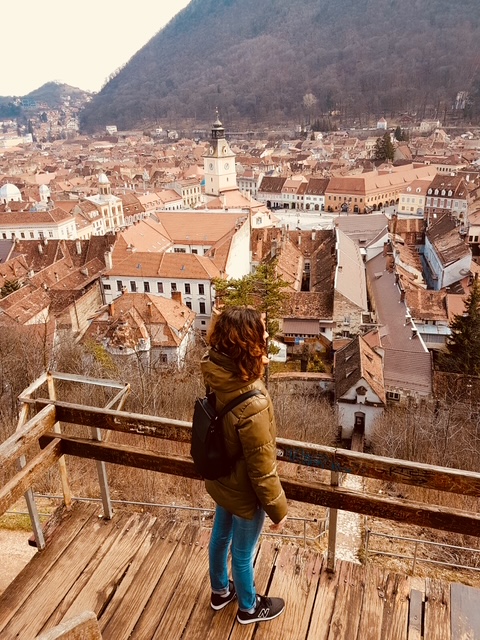
The entire city spreads below you, red rooftops pressed between green mountains, the Black Church tower rising above everything. It’s one of those views that makes you understand why people come back to Romania again and again.
How to get there without a car
Brasov is one of the easiest cities in Romania to reach by public transport.
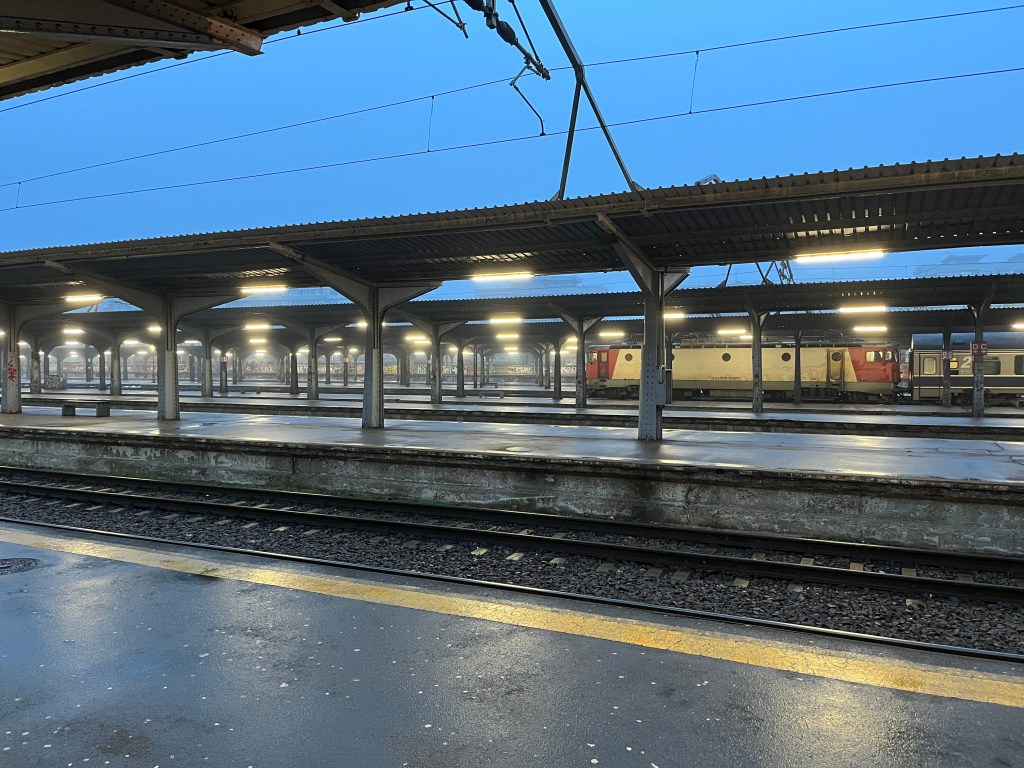
Direct trains from Bucharest run regularly throughout the day; the journey takes about 2.5 hours. Check current ticket prices and book online at cfrcalatori.ro. From the train station, the old town is a 20 minute walk or a short taxi ride.
From Busteni or Sinaia, local trains run every hour and cost almost nothing. Brasov connects easily to the entire Prahova Valley without needing a car.
Where to eat in Brasov
For traditional Romanian food, head to the restaurants around Piața Sfatului; most serve sarmale (meat rolled in cabbage leaves), mămăligă (Romanian polenta) and grilled meats at reasonable prices.
Expect to pay around 80-150 RON (16-30€) for a full meal in the old town, more if you sit on the main square terraces, less if you venture a few streets away.
For current restaurant recommendations, check Google Maps or TripAdvisor for Brasov, the reviews are updated regularly and reflect the current quality.
Practical details
Brasov is in Brasov County, Transylvania.
Best visited April through October, though winter has its own magic with snow on the mountains and far fewer tourists.
The old town is walkable, flat in the centre, hilly at the edges. Most attractions are free or very cheap.
Budget accommodation starts around 130 RON (roughly 26€) per night, with mid-range hotels averaging around 280 RON (55€). Check current availability on Booking.com.
© Secrets of Romania 2026. All rights reserved.
 Secrets of Romania